
Combatting Sleep Deprivation: The Benefits of Ramped Audio and Zoned Alerting
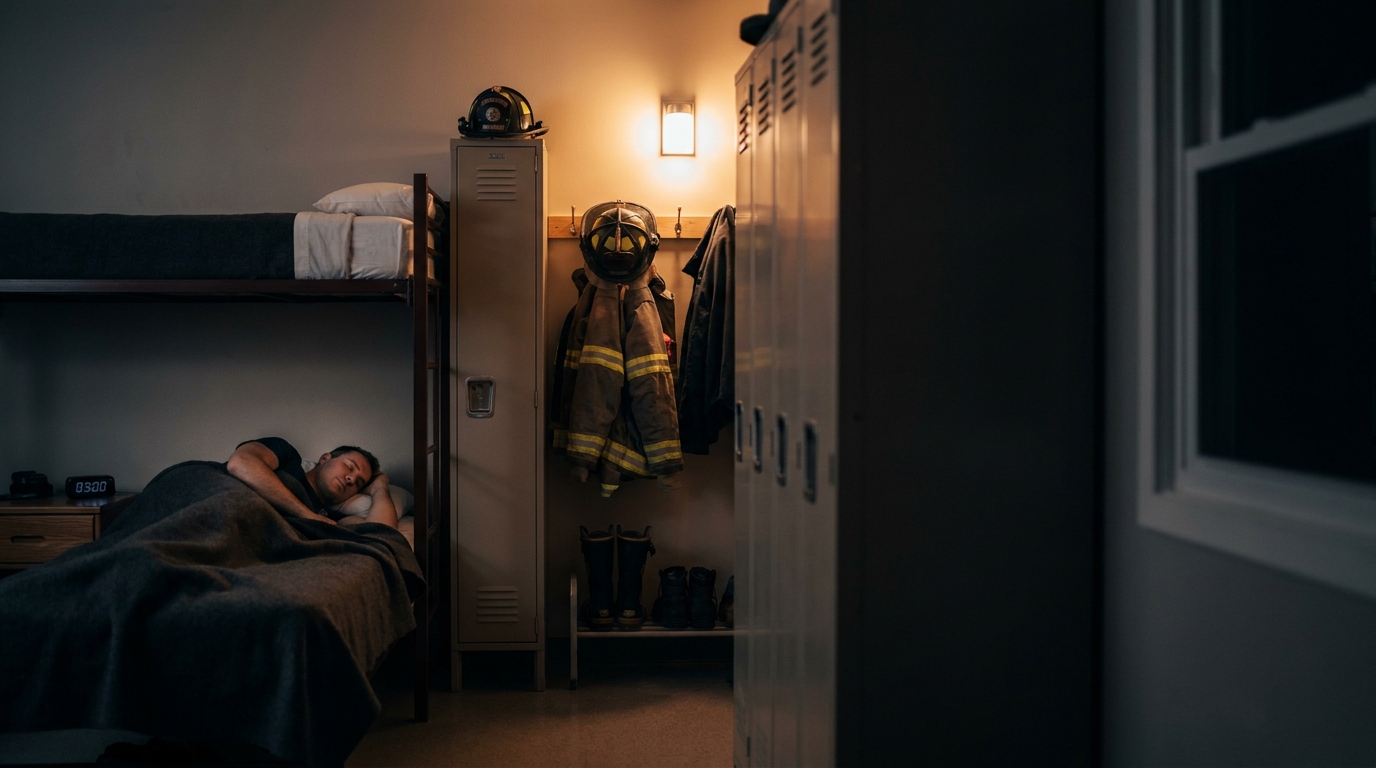
Ask any firefighter what waking up at 3 a.m. to a blaring station alert feels like, and you’ll get a visceral answer. The heart pounds. The mind races to catch up. In the seconds that follow, they’re expected to gear up, make critical decisions, and drive a 40,000-pound truck through quiet streets — all while their body is still trying to process what just happened.
That’s not just an uncomfortable experience. It’s a safety problem.
Traditional fire station alerting systems were designed for one thing: maximum disruption. Loud, sudden, simultaneous — the goal was to wake everyone, instantly, regardless of who needed to respond. For decades, departments accepted this as the cost of doing business. But modern alerting technology has changed what’s possible. Ramped audio and zoned alerting let you protect your crew’s health without sacrificing a single second of response time.
Why Sudden Alerting Is Harder on Your Crew Than You Think
The research on this is clear. Sudden, high-decibel alerting triggers an immediate spike in heart rate, blood pressure, and cortisol. Those are the same physiological responses your body uses when you’re genuinely threatened — and they come with real cognitive costs. In the moments right after a jarring alert, decision-making is measurably impaired. Studies have connected traditional high-decibel alerting to increased errors in apparatus operations, patient care, and navigation in the first minutes after waking.
Over a career, the cumulative toll is significant. Chronic sleep disruption is tied to cardiovascular disease, mental health challenges, and long-term fatigue — all of which are already elevated risks in the fire service. For crews working 24- or 48-hour shifts with regular overnight calls, this isn’t a minor inconvenience. It’s an occupational health issue.
Ramped Audio: A Smarter Way to Wake Up
Ramped audio doesn’t sacrifice speed — it changes the shape of the alert. Instead of going from silence to full volume in an instant, the system starts soft and builds to full notification level over several seconds. The brain gets a moment to transition naturally from sleep to wakefulness, which means less physiological shock and faster cognitive recovery.
The practical result? Firefighters who’ve worked with ramped audio report feeling more alert and capable in the moments right after the tone — not groggy and disoriented. That’s exactly when you need them performing at their best.
Zoned Alerting: Only Who Needs to Know, Knows
Here’s another problem with traditional alerting: a structure fire that needs Engine 3 wakes up every crew member in the station, including the crews assigned to the Ambulance and Truck 7 who aren’t responding anywhere.
Zoned alerting changes that. Within the station, sleeping quarters are divided into notification zones— and alerts are delivered selectively based on incident type, time of day, and which companies are actually dispatched. A lower-priority EMS call at 2 a.m. can start with a quiet notification in the sleeping quarters of the responding crew, rather than a full-station alarm that disrupts everyone.
For multi-company stations, this is a meaningful quality-of-life improvement. And it has operational benefits too: crews who aren’t unnecessarily disrupted stay better rested, which means they’re more effective when it is their call.
What It Takes to Implement
Getting ramped audio and zoned alerting right requires intelligent infrastructure that supports variable volume control and zone-level management. Most modern station alerting platforms include these capabilities out of the box. If your current PA equipment is aging, you may need to upgrade alongside the alerting system — but the long-term return on that investment is hard to argue with.
Your crew shows up every day ready to put themselves on the line. The least your alerting system can do is treat them a little better at 3 a.m.